
Navigate Your Path to Scrum Mastery: Your Scrum Master Roadmap
- Abel

- May 26
- 4 min read
Embarking on the journey to become a skilled Scrum Master is both exciting and rewarding. I remember when I first stepped into this role, eager but unsure of where to begin. Over time, I discovered that mastering Scrum is less about rushing and more about navigating a clear, thoughtful path. Today, I want to share that path with you—a scrum master roadmap that will guide you through the essential steps, challenges, and opportunities ahead.
Whether you’re just starting or looking to deepen your expertise, this guide will help you build confidence, sharpen your skills, and advance your career in Agile environments.
Understanding the Scrum Master Roadmap
The scrum master roadmap is your strategic plan for growth. It outlines the skills, certifications, and experiences you need to become an effective Scrum Master. Think of it as a map that helps you avoid detours and dead ends.
Here’s how I break it down:
Learn the Basics
Start with the Scrum Guide. It’s the foundation of everything you’ll do. Understand the roles, events, and artifacts. Don’t just read it—live it. Try to apply Scrum principles in your daily work or projects.
Get Certified
Certifications like Certified ScrumMaster (CSM) or Professional Scrum Master (PSM) validate your knowledge. They also open doors to new opportunities. I recommend starting with CSM for a practical, hands-on approach.
Gain Practical Experience
Theory is important, but real growth happens when you work with teams. Facilitate daily stand-ups, sprint planning, and retrospectives. Learn to remove impediments and foster collaboration.
Develop Soft Skills
Communication, conflict resolution, and servant leadership are crucial. A Scrum Master is a coach and a mentor. Practice active listening and empathy to build trust with your team.
Advance Your Knowledge
Explore Agile frameworks beyond Scrum, like Kanban or SAFe. Attend workshops, webinars, and Agile meetups. Continuous learning keeps you relevant and adaptable.
Seek Feedback and Reflect
Regularly ask for feedback from your team and stakeholders. Reflect on what’s working and what isn’t. Adapt your approach to improve team performance.
By following this roadmap, you’ll steadily build the expertise needed to lead Agile teams successfully.
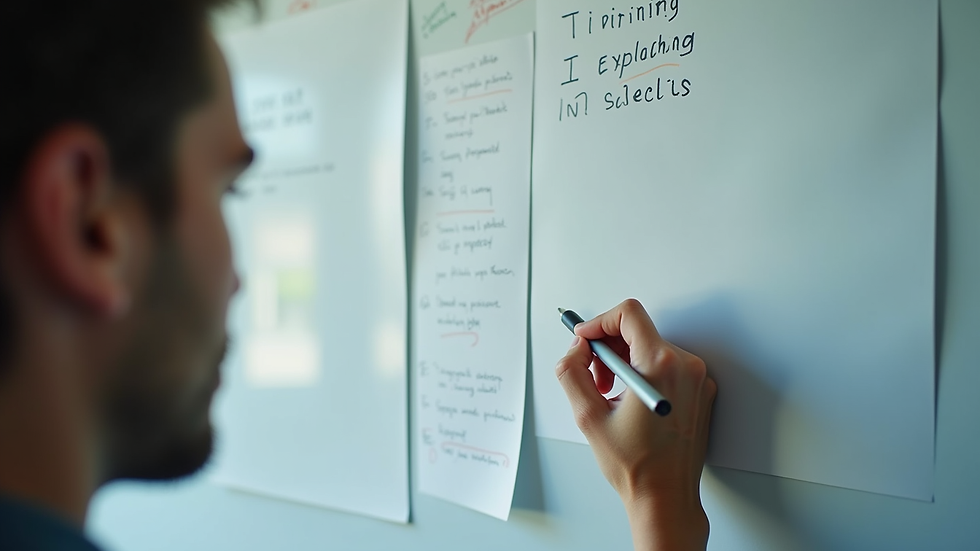
Building Your Skills Step-by-Step
Mastering Scrum is a journey of continuous improvement. Here’s a practical breakdown of skills to focus on at each stage:
Early Stage: Foundation and Certification
Scrum Theory and Values: Understand transparency, inspection, and adaptation.
Roles and Responsibilities: Know the difference between Scrum Master, Product Owner, and Development Team.
Certification Preparation: Enroll in a CSM course or study for PSM exams.
Mid Stage: Hands-On Experience
Facilitation Skills: Lead effective meetings that keep teams aligned.
Impediment Removal: Identify and solve blockers quickly.
Team Dynamics: Recognize team maturity and adapt your leadership style.
Advanced Stage: Leadership and Influence
Coaching and Mentoring: Help team members grow and improve.
Scaling Agile: Learn frameworks for larger organizations.
Stakeholder Management: Communicate effectively with executives and clients.
Each stage builds on the previous one. Don’t rush—focus on mastering each skill before moving forward.
Is CSM Harder than PMP?
Many professionals wonder how the Certified ScrumMaster (CSM) compares to the Project Management Professional (PMP) certification. From my experience, the two serve different purposes and require different approaches.
CSM focuses on Agile principles and Scrum practices. It’s more about mindset and team facilitation. The exam is straightforward if you understand Scrum well.
PMP covers a broad range of project management knowledge, including traditional waterfall methods. It demands memorization of processes and formulas, making it more challenging for those new to project management.
If you’re passionate about Agile and want to lead Scrum teams, CSM is a great starting point. It’s generally considered less difficult than PMP but equally valuable in Agile environments.
Navigating Your Scrum Master Career Path
As you grow, you’ll want to think about your long-term career. The scrum master career path offers many exciting directions:
Senior Scrum Master: Lead multiple teams and mentor junior Scrum Masters.
Agile Coach: Guide organizations in Agile transformations.
Product Owner: Shift focus to product strategy and backlog management.
Agile Program Manager: Oversee large-scale Agile projects.
To advance, focus on building a strong reputation. Deliver consistent value, communicate clearly, and demonstrate leadership. Networking with other Agile professionals can also open doors.

Embracing Continuous Growth and Visibility
The Agile world is always evolving. To stay ahead, commit to lifelong learning. Here are some tips to keep your career moving forward:
Attend Conferences and Workshops: Stay updated on the latest Agile trends.
Join Agile Communities: Participate in forums and local meetups.
Share Your Knowledge: Write blogs, speak at events, or mentor others.
Seek Feedback Regularly: Use it to refine your skills and approach.
Set Personal Goals: Define what success looks like for you and track your progress.
Remember, becoming a highly visible and promotable Scrum Master is about more than certifications. It’s about your impact on teams and organizations.
Your Next Steps Toward Scrum Mastery
Now that you have a clear roadmap, it’s time to take action. Start by reviewing the Scrum Guide and enrolling in a certification course. Then, seek opportunities to practice your skills in real projects. Don’t hesitate to ask for feedback and learn from every experience.
Your journey to Scrum mastery is unique. Embrace the challenges, celebrate your wins, and keep moving forward. With dedication and the right guidance, you’ll become the Agile leader your teams need.
Let’s navigate this path together and unlock your full potential as a Scrum Master.

Comments